
The Dawn of a Revolutionary Era in Dental Science
The prospect of regenerating lost teeth has captivated scientists and dental professionals for decades, transforming from the realm of science fiction into a tangible reality. Modern dentistry stands on the precipice of a groundbreaking revolution, where the ability to regrow natural teeth could fundamentally alter how we approach oral healthcare. This remarkable advancement represents one of the most significant developments in dental science since the introduction of modern implant technology.
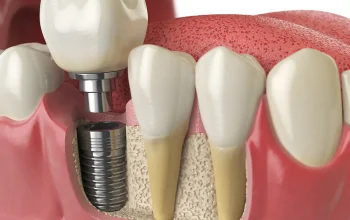
Traditional approaches to tooth replacement have relied heavily on prosthetic solutions, including dentures, bridges, and titanium implants. Whilst these methods have served patients well for generations, they cannot replicate the complex biological structure and natural functionality of original teeth. The emerging field of tooth regeneration promises to bridge this gap, offering patients the possibility of genuine biological replacement rather than artificial substitutes.
Understanding the Biological Foundation
Tooth regeneration operates on sophisticated biological principles that harness the body’s natural healing mechanisms. Scientists have discovered that certain stem cells retain the remarkable ability to differentiate into the various tissues that comprise a complete tooth structure. These include the hard enamel outer layer, the protective dentine, and the vital pulp containing nerves and blood vessels.
The process involves carefully cultivating these stem cells in laboratory conditions, encouraging them to develop into tooth buds that can eventually mature into fully functional teeth. Research has shown that these laboratory-grown structures can integrate seamlessly with existing jaw bone and surrounding tissues, creating a natural foundation for long-term oral health.
Current Research and Clinical Developments
International Breakthrough Studies
Recent developments in tooth regeneration research have yielded promising results across multiple countries. Japanese researchers have made significant strides in human tooth regrowth trials, demonstrating the potential for clinical applications within the coming decade. These studies represent a crucial milestone in translating laboratory successes into practical treatments for patients.
Meanwhile, advances in lab-grown human teeth technology continue to refine the processes involved in creating viable tooth structures. Researchers are focusing on optimising the growth environment and ensuring that regenerated teeth possess the durability and functionality required for everyday use.
The Role of Modern Dental Practitioners
Contemporary dental professionals, including a progressive dentist in Epping, are closely monitoring these developments to understand how regenerative techniques might integrate with current practice methodologies. The transition from traditional restorative approaches to regenerative solutions will require comprehensive training and adaptation of existing clinical protocols.
Scientific Mechanisms and Cellular Engineering
Stem Cell Technology in Dental Applications
The cellular engineering behind tooth regeneration relies on sophisticated manipulation of dental stem cells, which possess unique properties that distinguish them from other regenerative tissues. These cells can be harvested from various sources, including wisdom teeth, baby teeth, and even dental pulp from routine procedures. Once extracted, they undergo careful cultivation processes that encourage their transformation into the multiple cell types required for complete tooth formation.
The regeneration process involves creating a biocompatible scaffold that guides cellular growth and provides structural support during development. This framework gradually dissolves as natural tooth tissues strengthen, leaving behind a fully integrated biological structure that functions identically to original teeth.
Overcoming Technical Challenges
Researchers continue to address several technical hurdles that influence the viability of regenerative dental treatments. These include ensuring proper blood vessel formation within regenerated teeth, achieving optimal integration with existing jaw structures, and maintaining consistent growth patterns that produce functionally sound results.
Recent publications, including detailed research findings on dental regeneration techniques, highlight the progress being made in addressing these challenges through innovative approaches to cellular programming and tissue engineering.
Implications for Future Dental Care
The successful implementation of tooth regeneration technology could transform the landscape of dental treatment, offering patients genuine biological solutions rather than artificial replacements. This advancement holds particular significance for individuals who have experienced tooth loss due to trauma, disease, or genetic conditions, providing them with restoration options that closely mirror natural tooth function.
Dental professionals are preparing for this transition by staying informed about emerging techniques and considering how regenerative approaches might complement existing treatment modalities. The integration of regenerative dentistry into mainstream practice will likely occur gradually, allowing practitioners to develop proficiency whilst ensuring patient safety and treatment reliability.
Looking Towards Tomorrow’s Dental Solutions
The science of tooth regeneration represents a remarkable convergence of biological understanding, technological innovation, and clinical application. As research continues to advance, the prospect of naturally regenerating teeth moves closer to becoming a routine treatment option. This revolutionary approach promises to redefine how dental professionals address tooth loss, offering patients unprecedented opportunities for genuine biological restoration that maintains the integrity and functionality of their natural smile.