







How Orthodontic Intervention During Growth Spurts Maximises Developmental Potential
The Critical Window of Opportunity
The human body undergoes remarkable transformations during childhood and adolescence, with growth spurts representing pivotal moments when orthodontic intervention can achieve truly transformative results. These periods of rapid skeletal development offer a unique opportunity to guide facial and dental structures into their optimal positions, potentially reducing the need for more invasive treatments later in life. Understanding the relationship between growth spurts and orthodontic treatment timing has become increasingly important for parents and an orthodontist Liverpool alike.
During growth spurts, the bones of the face and jaw are particularly malleable, responding more readily to orthodontic forces than they would in adulthood. This biological flexibility allows skilled practitioners to work with the body’s natural development rather than against it. The timing of orthodontic intervention can make a substantial difference in treatment outcomes, duration, and overall complexity. When treatment aligns with these critical developmental windows, the results often exceed what would be possible during other life stages.
Understanding Growth Spurts and Skeletal Development
Growth spurts typically occur at predictable stages throughout childhood and adolescence, with the most significant occurring between the ages of six and eight, and again during puberty. These periods are characterised by rapid increases in height, changes in facial proportions, and accelerated development of the jaw and dental arches. The pubertal growth spurt, in particular, represents a crucial phase when orthodontic treatment timing affects jaw development most profoundly.
During these growth phases, the sutures in the skull and facial bones remain relatively flexible, allowing for guided expansion and repositioning. The cellular activity within bone tissue increases dramatically, facilitating faster tooth movement and more predictable responses to orthodontic appliances. This heightened biological activity creates an ideal environment for correcting skeletal discrepancies, such as underdeveloped jaws or disproportionate facial growth patterns that might otherwise require surgical intervention in adulthood.
Early Assessment and Phase One Treatment
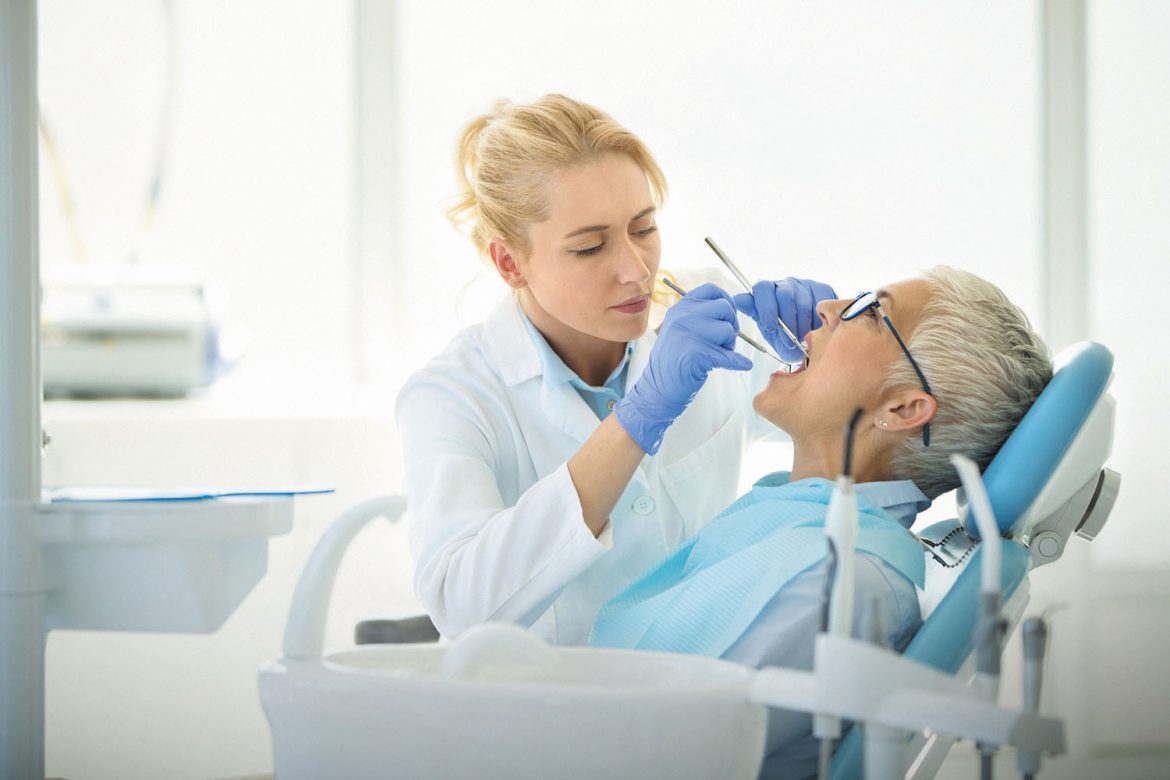
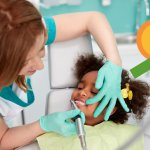
Seeking consultation with an orthodontist during the early mixed dentition stage can identify potential issues before they become more complex. Early assessment, typically recommended around age seven, allows professionals to monitor growth patterns and determine the optimal timing for intervention. This proactive approach does not necessarily mean immediate treatment but rather strategic planning for when treatment will be most effective.
Phase One Interventions
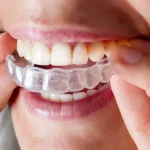
Phase one orthodontic treatment typically occurs during the mixed dentition stage, when children still have both primary and permanent teeth. This early intervention focuses on creating adequate space for emerging permanent teeth, correcting harmful oral habits, and addressing skeletal imbalances whilst growth is still occurring. Common phase one treatments include palatal expanders, partial braces, and functional appliances designed to influence jaw growth patterns. These interventions capitalise on the body’s natural growth trajectory to achieve results that would be difficult or impossible to replicate once skeletal maturity is reached.
Adolescent Growth Spurts and Comprehensive Treatment
The adolescent growth spurt presents another critical window for orthodontic intervention, particularly for addressing more complex skeletal issues. During this phase, which typically occurs between ages eleven and fifteen for girls and twelve and sixteen for boys, comprehensive orthodontic treatment can achieve remarkable changes in facial aesthetics and dental function. Research has demonstrated that certain orthodontic issues respond more favourably to treatment during growth spurts, making timing a crucial consideration for optimal outcomes.
Functional appliances, such as Herbst devices or twin blocks, prove particularly effective during this period for correcting Class II malocclusions where the lower jaw sits too far back relative to the upper jaw. These appliances harness the natural growth potential to encourage forward development of the mandible, often eliminating the need for tooth extractions or orthognathic surgery. The biological responsiveness during growth spurts means treatment times can be shorter and results more stable than interventions undertaken during other developmental periods.
Long-Term Benefits and Developmental Outcomes
Orthodontic intervention during growth spurts extends benefits beyond straight teeth and an attractive smile. Properly aligned jaws and dental arches contribute to improved breathing patterns, enhanced speech development, and more efficient chewing function. Studies have shown that early orthodontic treatment can positively influence facial growth patterns, potentially preventing more serious issues from developing as the child matures. These interventions can also reduce the risk of temporomandibular joint disorders and minimise excessive wear on teeth caused by malocclusion.
Maximising Your Child’s Orthodontic Potential
Timing orthodontic treatment to coincide with natural growth spurts represents a strategic approach that maximises developmental potential whilst minimising treatment complexity. By working in harmony with the body’s natural growth patterns, orthodontic intervention during these critical windows can achieve superior aesthetic and functional outcomes that benefit patients throughout their lives.